
Simple Natural Trick That May Help Fade Brown Spots on Your Skin
You glance in the mirror, and there they are again—those little reminders of sunny days past. They might appear as faint freckles on your hands, a patch of discoloration on your cheek, or stubborn marks left behind after a breakout. For many of us, these “brown spots on skin” feel like an unwelcome addition to our reflection, silently chipping away at our confidence.
We try to cover them with makeup, but we long for the days when our skin looked clear, radiant, and even. The good news? You don’t necessarily need expensive lasers or harsh chemical peels to see a difference. Nature has provided us with powerful tools to help restore your skin’s natural glow. Let’s explore a simple, natural remedy that might be the answer you’ve been looking for.
What Are Brown Spots? Understanding the Canvas of Your Skin
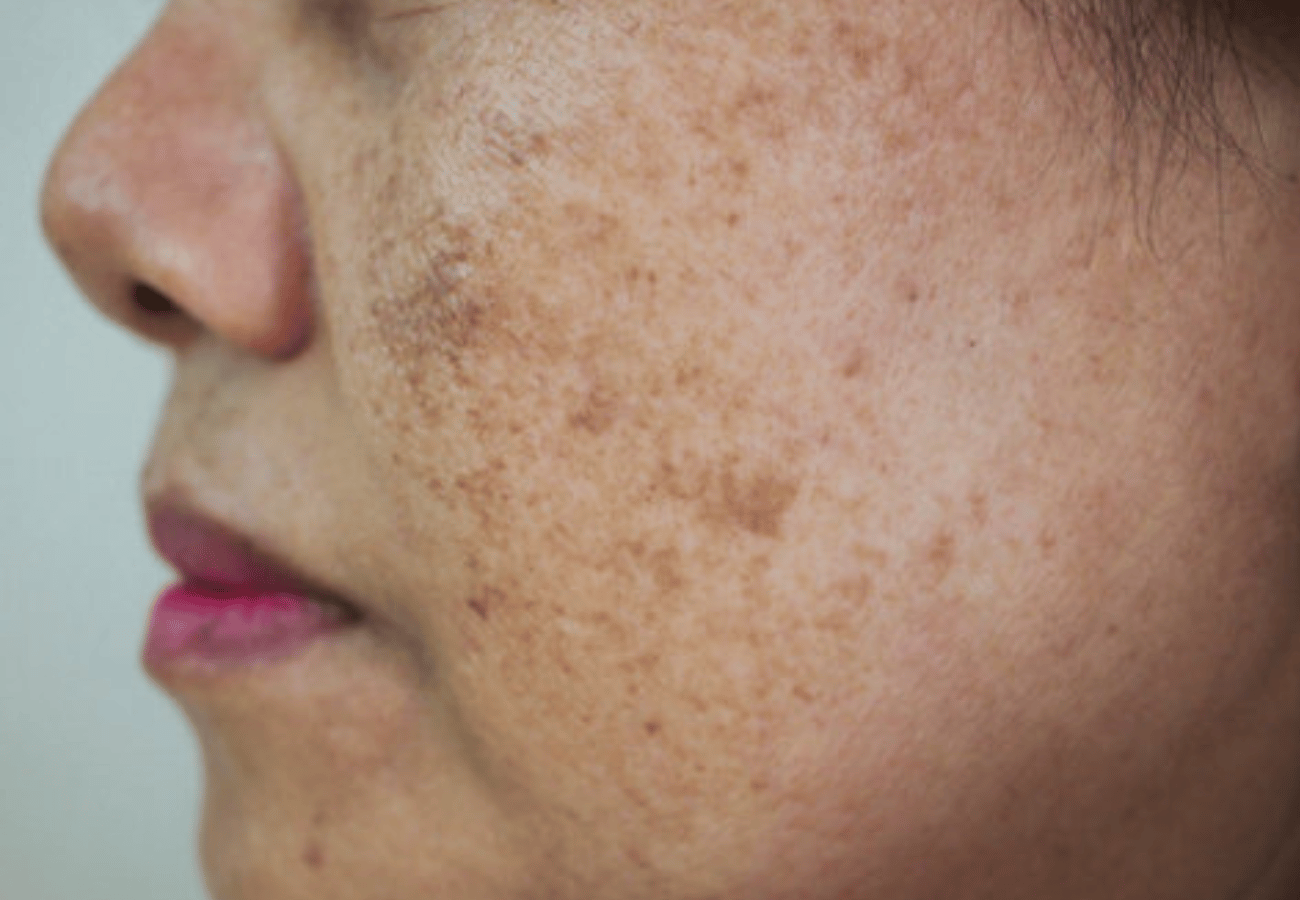
Before we dive into the solution, it helps to understand the “why.” Brown spots, often called age spots, sun spots, or liver spots, are flat, oval areas of increased pigmentation. They are typically tan, brown, or dark brown and appear on areas most exposed to the sun, like the face, hands, shoulders, and arms.
Think of your skin as a canvas. When it’s healthy and happy, the color is even. But when specific areas are triggered to produce excess color—or melanin—they begin to stand out. This is the essence of hyperpigmentation.
The Root of the Issue: Causes and Risk Factors
To effectively target hyperpigmentation treatment at home, we must first address the culprits behind it.
The Sun: The Primary Artist
The number one cause of brown spots is ultraviolet (UV) light. When your skin is exposed to the sun, it produces more melanin to protect itself. Over time, years of accumulated sun exposure cause these pigment cells to go into overdrive, creating stubborn clusters of color.
Other Contributing Factors
While the sun is the main offender, it’s not alone:
- Hormonal Changes: Melasma is a form of hyperpigmentation triggered by hormonal fluctuations, often during pregnancy or while taking birth control pills.
- Post-Inflammatory Hyperpigmentation (PIH): This occurs after an injury to the skin, such as a bad case of acne, a cut, or even aggressive waxing. The skin heals but leaves a dark “memory” behind.
- Aging: As we get older, our skin’s ability to regenerate slows down, making it harder to shed pigmented cells naturally.
Recognizing the Signs
How do you know if you’re dealing with standard brown spots? They are usually
- Painless and flat to the touch.
- Varied in size, from a freckle to a quarter-inch wide.
- Grouped together, which can make them more noticeable.
The Simple Natural Trick: The Power of Licorice Root
Now, let’s get to the star of the show. One of the most effective and gentle natural remedies for dark spots comes from a surprising source: the licorice root. You might know it as a sweet treat, but in the world of skincare for pigmentation, it’s a powerhouse.
This simple trick involves incorporating licorice root extract into your daily skincare routine. It’s not a magic wand, but a scientifically backed, natural way to communicate with your skin and tell it to calm down the pigment production.
How to Use Licorice Root for Dark Spot Removal Naturally
You have a few options here, ranging from DIY to store-bought:
Option 1: The Simple Tea Compress
- Ingredients: 1 tablespoon of dried licorice root powder (or a licorice root tea bag) and 1 cup of hot water.
- Instructions: Steep the licorice root in the hot water for 10-15 minutes. Let it cool completely.
- Application: Soak a clean cotton pad in the cooled tea and apply it directly to the brown spots on the skin. Let it sit for 10 minutes, then rinse with lukewarm water. Repeat this once daily.
Option 2: The Targeted Paste
- Ingredients: 1 teaspoon of licorice root powder and a few drops of aloe vera gel or rose water.
- Instructions: Mix the ingredients into a smooth paste.
- Application: Apply the paste only to the pigmented areas. Leave it on for 15-20 minutes before rinsing off. Do this 3-4 times a week.
Option 3: Look for It in Products
The most convenient way to harness its power is to look for it in your skincare. Check the labels of your serums and moisturizers for “Glycyrrhiza Glabra (Licorice) Root Extract.” Using a serum with this ingredient is a fantastic way to even skin tone naturally while you sleep.
Why This Works: The Science of the Remedy
This isn’t just folklore; there’s real science behind why licorice root is so effective for fading dark spots fast.
Glabridin: The Key Compound
Licorice root contains an active compound called glabridin. Studies suggest that Glabridin is a natural tyrosinase inhibitor. Tyrosinase is the enzyme responsible for triggering melanin production. By inhibiting this enzyme, glabridin helps prevent the formation of new pigment, essentially stopping the spots from getting darker.
Anti-Inflammatory Properties
Many forms of hyperpigmentation, especially PIH from acne, are driven by inflammation. Licorice root is a potent anti-inflammatory, meaning it soothes the skin and helps reduce the redness and irritation that often precede dark marks. This dual-action approach—reducing both pigment and inflammation—makes it a superior choice for age spot treatment naturally.
Complementary Lifestyle Tips for a Clearer Complexion
While licorice root works its magic, supporting your skin with healthy habits will accelerate your results.
Sunscreen is Non-Negotiable
You can use the most expensive cream in the world, but if you aren’t wearing sunscreen, you’re fighting a losing battle. Sunscreen is the shield that protects your skin from the rays that trigger melanin production. Use a broad-spectrum SPF 30 or higher every single day, rain or shine.
Boost Your Diet with Antioxidants
What you put inside reflects on the outside. Eat foods rich in Vitamin C (like oranges and bell peppers) and vitamin E (like almonds and spinach). These antioxidants help fight free radical damage from the sun and support skin repair.
Gentle Exfoliation
Once or twice a week, use a gentle chemical exfoliant like lactic acid. This helps slough off the dead, pigmented skin cells on the surface, revealing the newer, brighter skin underneath. This can help fade dark spots fast by physically removing the top layer of discoloration.
Safety First: When to See a Doctor
While brown spots are usually harmless, it is crucial to be vigilant about your skin’s health. You should consult a dermatologist if you notice any spot that:
- Is asymmetrical or has jagged borders.
- Changes in color, size, or shape.
- Itches, bleeds, or becomes painful.
- Is a new spot appearing suddenly in your 40s or later?
These could be warning signs of skin cancer. A doctor’s visit ensures peace of mind and, if necessary, early treatment.
Your Journey to Radiant Skin Starts Today
Living with brown spots can sometimes make us feel self-conscious, as if our skin is telling a story we didn’t want to share. But remember, your skin is resilient, and with the right care, it can heal and renew itself. The simple natural trick of using licorice root is more than just a remedy; it’s a way to reconnect with gentle, effective self-care.
It invites you to be consistent, to be patient, and to trust in the process. As you incorporate this natural powerhouse into your routine, along with diligent sun protection, you’re not just working to remove dark spots naturally—you’re nurturing your skin back to its healthiest, happiest state. Be kind to your reflection. The even, glowing skin you desire is entirely within your reach.
Medical Disclaimer: The information in this article is for educational and informational purposes only and is not intended as medical advice. It is not a substitute for professional medical advice, diagnosis, or treatment. Always seek the advice of your physician or another qualified health provider with any questions you may have regarding a medical condition or before starting a new skincare regimen.