
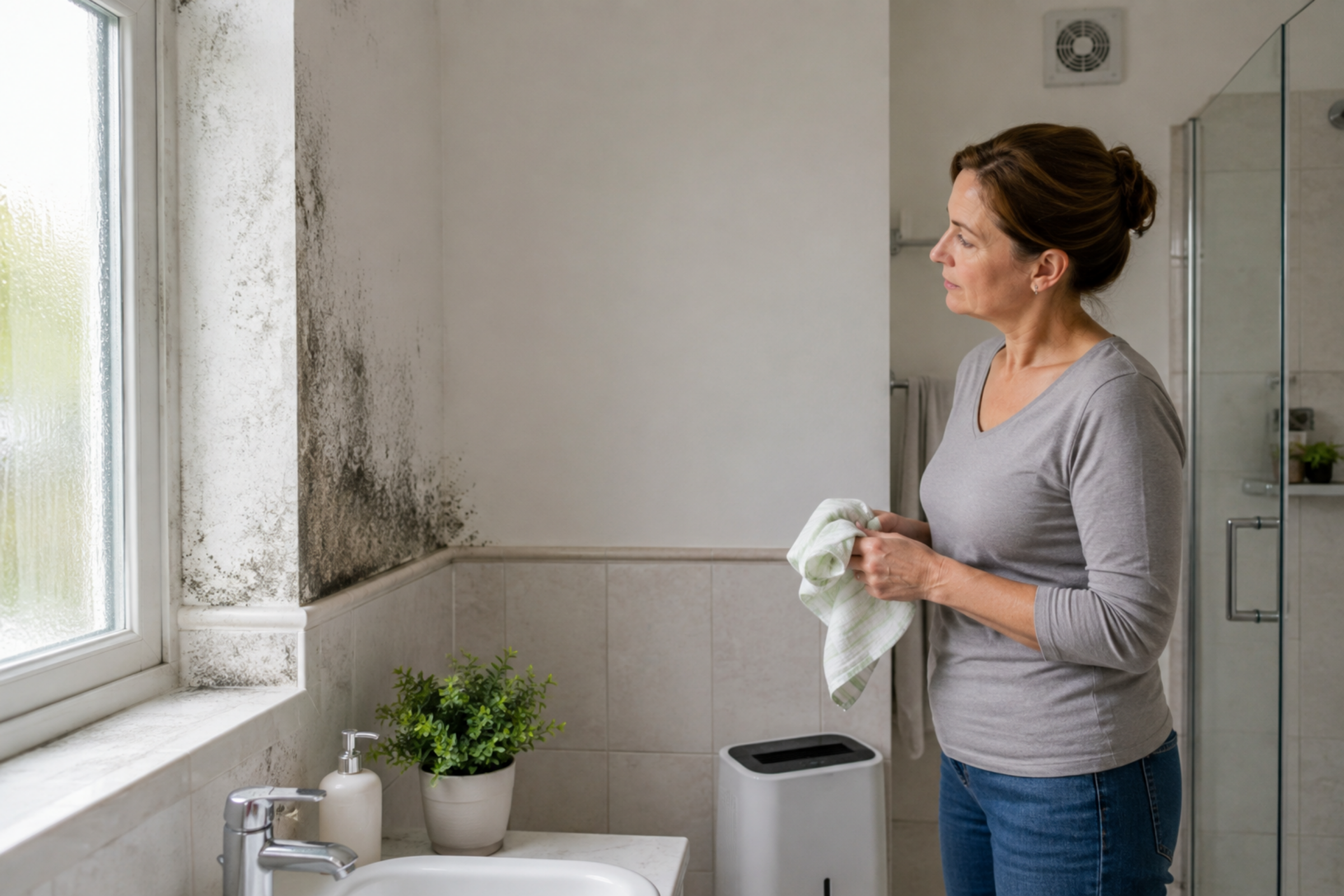
Health Effects of Indoor Mold Exposure: Warning Signs, Risks, and What to Do
Mold is a common type of fungus that can grow indoors when moisture is present. It may appear on walls, ceilings, carpets, wood, fabrics, or other damp materials.
While mold is a natural part of the environment, persistent indoor dampness and visible mold growth can contribute to health problems, particularly for people who have allergies or asthma.
Online discussions sometimes use the term “mold toxicity” to describe a wide range of symptoms. However, it is important not to assume that unexplained symptoms are caused by mold exposure. The health effects that are best established include allergic reactions, irritation, and worsening of asthma or other respiratory symptoms.
Understanding the warning signs of mold exposure can help you recognize when an indoor moisture problem may need attention.
What Is Indoor Mold?
Mold is a type of fungus that produces tiny spores. These spores are naturally present in the environment and can enter buildings through windows, doors, ventilation systems, clothing, and other routes.
Mold becomes a bigger indoor concern when spores land on a damp surface and begin to grow.
Common places where indoor mold may develop include:
- Bathrooms
- Basements
- Kitchens
- Around leaking pipes
- Near windows with condensation
- Water-damaged walls and ceilings
- Damp carpets
- Areas with poor ventilation
According to the U.S. Environmental Protection Agency (EPA), controlling moisture is one of the most important steps for preventing indoor mold growth.
What Health Problems Can Mold Cause?
Not everyone exposed to mold will develop symptoms.
Health effects can vary depending on the individual, the amount and type of exposure, and whether the person has allergies, asthma, or other respiratory sensitivities.
The most recognized health effects associated with indoor mold include:
- Allergy symptoms
- Nasal and throat irritation
- Eye irritation
- Skin irritation
- Coughing
- Wheezing
- Asthma symptoms
- Other respiratory complaints
The World Health Organization reports that damp and moldy indoor environments are associated with increased respiratory symptoms, allergies, and asthma.
8 Possible Warning Signs of Mold Exposure
Symptoms alone cannot prove that mold is responsible. Many of these symptoms can also occur because of allergies, infections, asthma, seasonal changes, or other health conditions.
However, if symptoms repeatedly occur or become worse when spending time in a damp or moldy building, it may be worth evaluating the indoor environment.
1. Sneezing and Runny Nose
Repeated sneezing, a runny nose, nasal congestion, or an itchy nose can occur in people who are sensitive to mold allergens.
These symptoms can resemble seasonal allergies, making the underlying cause difficult to identify based on symptoms alone.
2. Red or Watery Eyes
Mold exposure may trigger allergic irritation affecting the eyes.
Possible symptoms include:
- Red eyes
- Watery eyes
- Itchy eyes
- Burning or irritated eyes
If eye symptoms are persistent or severe, consider discussing them with a healthcare professional rather than assuming mold is the cause.
3. Coughing
Indoor mold can irritate the respiratory system and may contribute to coughing in some people.
A persistent cough, however, can have many possible causes, including respiratory infections, asthma, allergies, smoking, medications, and other conditions.
4. Wheezing or Shortness of Breath
People with asthma or mold allergies may experience worsening respiratory symptoms after exposure to mold.
Wheezing, chest tightness, or difficulty breathing should not automatically be attributed to mold.
If breathing problems are significant, sudden, or worsening, seek appropriate medical care.
5. Skin Irritation
Some people may experience skin irritation after contact with mold or mold-containing materials.
Possible symptoms include:
- Redness
- Itching
- Rash
- Irritated skin
Skin symptoms can have many other causes, so persistent rashes should be evaluated appropriately.
6. Throat or Nose Irritation
Mold and other indoor irritants can affect the nose and throat.
Some people may notice:
- Scratchy throat
- Nasal irritation
- Congestion
- Sneezing
- Throat discomfort
These symptoms are not specific to mold and can also occur with common respiratory infections or allergies.
7. Worsening Asthma Symptoms
One of the more important concerns is asthma.
Mold can act as an allergen or irritant, and exposure may trigger asthma symptoms in people who are sensitive to it. The EPA specifically notes that mold can trigger asthma attacks in people with asthma who are allergic to mold.
People with asthma should follow their existing asthma management plan and speak with a healthcare professional if symptoms are becoming more frequent or difficult to control.
8. Symptoms That Improve Away From a Damp Environment
Some people notice that respiratory or allergy symptoms are worse in a particular building and improve after spending time elsewhere.
This pattern can be useful information, but it does not prove that mold is responsible.
Other indoor factors—including dust mites, pet allergens, poor ventilation, smoke, cleaning chemicals, and other irritants—can also affect indoor air quality.
Who May Be More Sensitive to Mold?
Some people are more likely to experience symptoms from indoor mold exposure.
This can include people with:
- Mold allergies
- Asthma
- Certain respiratory conditions
- Environmental allergies
The EPA notes that individual sensitivity to biological contaminants can vary.
Children, older adults, pregnant people, and individuals with certain medical conditions may also require additional consideration when dealing with indoor environmental exposures.
Does Mold Cause “Toxicity”?
The phrase “mold toxicity” is commonly used online, but it can be misleading when applied broadly to unexplained symptoms.
Molds can produce substances called mycotoxins, and certain molds can produce potentially toxic substances. However, the presence of mold in a building does not automatically mean that someone has systemic “mold toxicity.”
The EPA identifies allergic and irritant effects as important recognized health effects of indoor mold exposure. It also notes that symptoms beyond allergic and irritant effects are not commonly reported from inhaling mold.
For this reason, it is better to focus on documented health effects of indoor mold exposure rather than assuming that a broad collection of symptoms represents “toxicity.”
How Can You Tell If Mold Is in Your Home?
Visible mold, musty odors, water damage, condensation, and persistent dampness can all be signs that moisture needs attention.
Look carefully around:
- Windows
- Bathrooms
- Under sinks
- Around pipes
- Ceilings
- Basements
- Air-conditioning areas
- Water-damaged walls
- Damp carpets
Remember that mold can grow behind walls or other hidden areas when moisture is present.
The most useful first step is usually to identify and correct the moisture source rather than focusing only on the visible mold.
What Should You Do If You Find Mold?
The key to controlling indoor mold is moisture control.
The EPA recommends fixing water leaks, drying wet areas, and preventing ongoing moisture problems. Water-damaged areas should ideally be dried within 24–48 hours when possible to reduce the opportunity for mold growth.
Helpful steps include:
Fix Leaks
Repair leaking roofs, pipes, windows, plumbing fixtures, or other sources of water.
Improve Ventilation
Use exhaust fans in bathrooms and kitchens and improve airflow where appropriate.
Control Indoor Humidity
The EPA recommends maintaining indoor relative humidity around 30% to 60% to help reduce mold growth.
Dry Damp Materials
Wet carpets, walls, furniture, and other materials should be dried as quickly as possible.
Clean Visible Mold Safely
Small areas of mold on hard surfaces can often be cleaned appropriately, but larger or more complicated mold problems may require professional assessment.
Address the Underlying Moisture Problem
Cleaning visible mold without fixing the water or humidity problem can allow the mold to return.
Should You Get a Mold Test?
Home mold testing is often promoted as a way to identify whether a person is being exposed to a dangerous type of mold.
However, testing should not replace addressing visible mold or moisture problems.
If you can see mold or identify ongoing dampness, the more important question is usually why the moisture is present and how to correct it.
If you have persistent health symptoms that you believe may be related to your indoor environment, discuss them with a healthcare professional.
When Should You See a Doctor?
Consider speaking with a healthcare professional if you have persistent or recurring:
- Cough
- Wheezing
- Shortness of breath
- Nasal symptoms
- Eye irritation
- Skin symptoms
- Allergy symptoms
- Asthma symptoms
It can be helpful to mention whether symptoms appear to become worse in a particular building or improve when you spend time elsewhere.
A healthcare professional can evaluate other possible causes rather than assuming that mold is responsible.
When Is Breathing Difficulty an Emergency?
Severe difficulty breathing, serious chest symptoms, confusion, fainting, or rapidly worsening respiratory problems require urgent medical attention.
Do not wait for mold testing or home cleaning if you are experiencing a serious breathing problem.
Can Mold Be Completely Eliminated From a Home?
It is not realistic to eliminate every mold spore from an indoor environment.
Mold spores are naturally present in both indoor and outdoor air.
The goal is to prevent excessive indoor mold growth by controlling moisture and addressing water damage.
The EPA emphasizes that there is no practical way to eliminate all mold and mold spores indoors; controlling moisture is the key to controlling indoor mold growth.
How to Prevent Mold Growth
A few practical habits can reduce the risk of indoor mold:
- Repair leaks promptly.
- Keep bathrooms well ventilated.
- Use exhaust fans when cooking or showering.
- Monitor indoor humidity.
- Dry wet materials quickly.
- Avoid allowing water to remain on surfaces.
- Check areas around windows for condensation.
- Keep gutters and drainage systems functioning properly.
- Address water damage as soon as possible.
- Improve ventilation in areas that regularly become damp.
Mold Exposure vs. Other Causes of Symptoms
One of the most important things to remember is that symptoms such as fatigue, headaches, congestion, coughing, or skin irritation are not specific to mold exposure.
They can occur for many different reasons.
For example:
| Symptom | Possible Causes |
|---|---|
| Sneezing | Allergies, infections, irritants, mold |
| Cough | Infection, asthma, allergies, smoke, irritants |
| Headache | Many possible causes, including dehydration and illness |
| Fatigue | Sleep problems, stress, medications, infections, many medical conditions |
| Skin rash | Allergies, irritation, infections, dermatitis, other causes |
| Shortness of breath | Asthma, infections, heart/lung conditions, allergies, other causes |
This is why symptoms alone should not be used to diagnose mold-related illness.
The Bottom Line
Indoor mold is a legitimate environmental health concern, particularly when persistent moisture creates conditions for mold growth.
The strongest evidence links indoor dampness and mold exposure with allergic reactions, respiratory irritation, and worsening asthma symptoms in susceptible people.
However, the term “mold toxicity” is often used online to describe a broad range of unexplained symptoms. Those symptoms do not automatically mean that mold is the cause.
If you discover mold in your home, focus first on identifying and correcting the moisture problem. If you experience persistent respiratory, allergy, or other symptoms, speak with a healthcare professional who can consider mold exposure along with other possible causes.
Frequently Asked Questions
What are the most common symptoms of mold exposure?
Common recognized effects include sneezing, runny nose, red or watery eyes, skin irritation, coughing, nasal or throat irritation, and worsening asthma symptoms in people who are sensitive to mold.
Can mold make you feel sick?
Mold exposure can cause allergic and irritant reactions in some people and can worsen asthma in people who are allergic to mold. However, many nonspecific symptoms can have other causes.
Does mold cause fatigue?
Fatigue is not considered a specific sign that proves mold exposure. If you have persistent fatigue, it is better to discuss it with a healthcare professional rather than assuming that mold is responsible.
Can mold cause headaches?
Headaches can occur for many different reasons. A headache by itself cannot establish that mold exposure is the cause.
Can mold cause breathing problems?
Yes. Mold can irritate the respiratory system and can trigger asthma symptoms in people who are allergic or sensitive to mold.
How do I get rid of mold?
The most important step is to address the moisture source. Clean affected areas appropriately and make sure leaks, condensation, or other sources of dampness are corrected.
Does black mold cause more serious symptoms?
The color of mold alone does not tell you how dangerous it is. Different molds can produce allergens and irritants, and some molds can produce mycotoxins. The appropriate response is to address indoor mold growth and the underlying moisture problem rather than relying on color as a measure of danger.
Should I test my home for mold?
Testing is not a substitute for fixing visible mold or ongoing moisture problems. If mold is visible, addressing the moisture source and removing the mold are generally more important first steps.
Can mold exposure be prevented?
Yes. Reducing indoor moisture, repairing leaks, improving ventilation, and drying water-damaged materials promptly can help prevent mold growth.
Medical Disclaimer
This article is provided for general educational and informational purposes only. It is not intended to diagnose, treat, cure, or prevent any disease or medical condition. Symptoms discussed in this article can have many different causes and should not be used for self-diagnosis.
If you have persistent or severe symptoms, breathing difficulties, asthma problems, or concerns about exposure to mold, consult a qualified healthcare professional.
Sources and Further Reading
- U.S. Environmental Protection Agency (EPA) — Mold and Health
- U.S. Environmental Protection Agency (EPA)—Mold, Moisture, and Your Home
- World Health Organization (WHO)—Guidelines for Indoor Air Quality: Dampness and Mould
- World Health Organization (WHO)—Health Risks Related to Dampness and Mould