How to Make Lemon Balm Tincture + Powerful Benefits of Lemon Balm Tincture
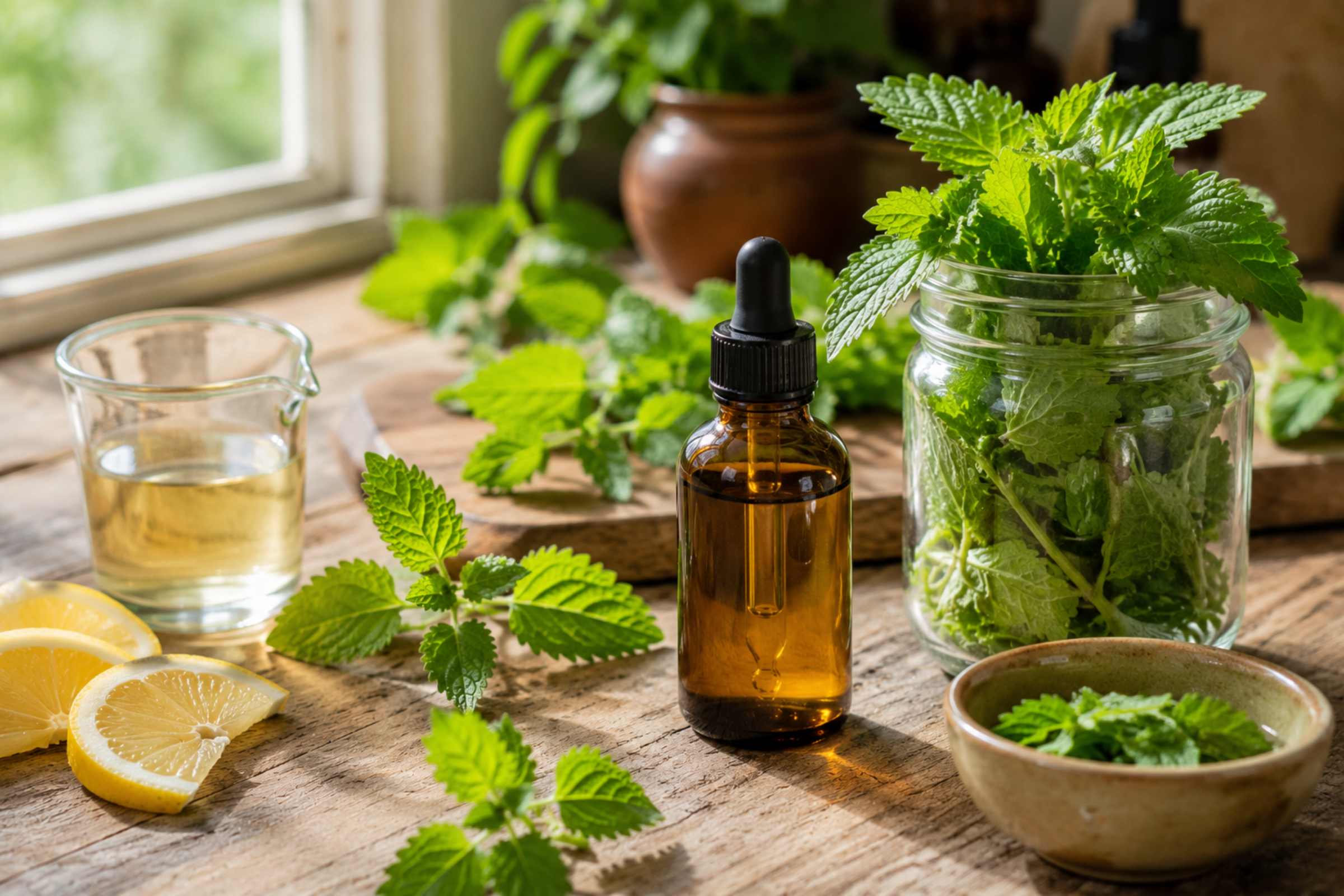
Lemon balm (Melissa officinalis) is a fragrant herb from the mint family that has been traditionally used in herbal preparations for generations. Its fresh leaves have a mild lemon-like aroma, making them popular for teas, culinary uses, and homemade herbal preparations.
One traditional way to preserve lemon balm is by making a tincture. A tincture is a concentrated herbal preparation made by extracting plant compounds into alcohol or another suitable liquid.
Lemon balm tincture is often used as part of traditional wellness routines, but it is important to keep expectations realistic. Research on lemon balm is still developing, and a homemade tincture should not be considered a treatment or cure for a medical condition.
What Is Lemon Balm Tincture?
A lemon balm tincture is made by steeping lemon balm leaves in alcohol for a period of time. The alcohol helps extract and preserve certain compounds from the plant.
Compared with tea, a tincture is more concentrated and can be stored for longer when prepared and stored properly.
The final preparation typically has a strong herbal aroma and a concentrated lemony flavor.
What You Need
For a simple homemade preparation, you will need:
- Fresh lemon balm leaves
- A clean glass jar with a tight-fitting lid
- Food-grade alcohol suitable for making herbal tinctures
- A fine mesh strainer or cheesecloth
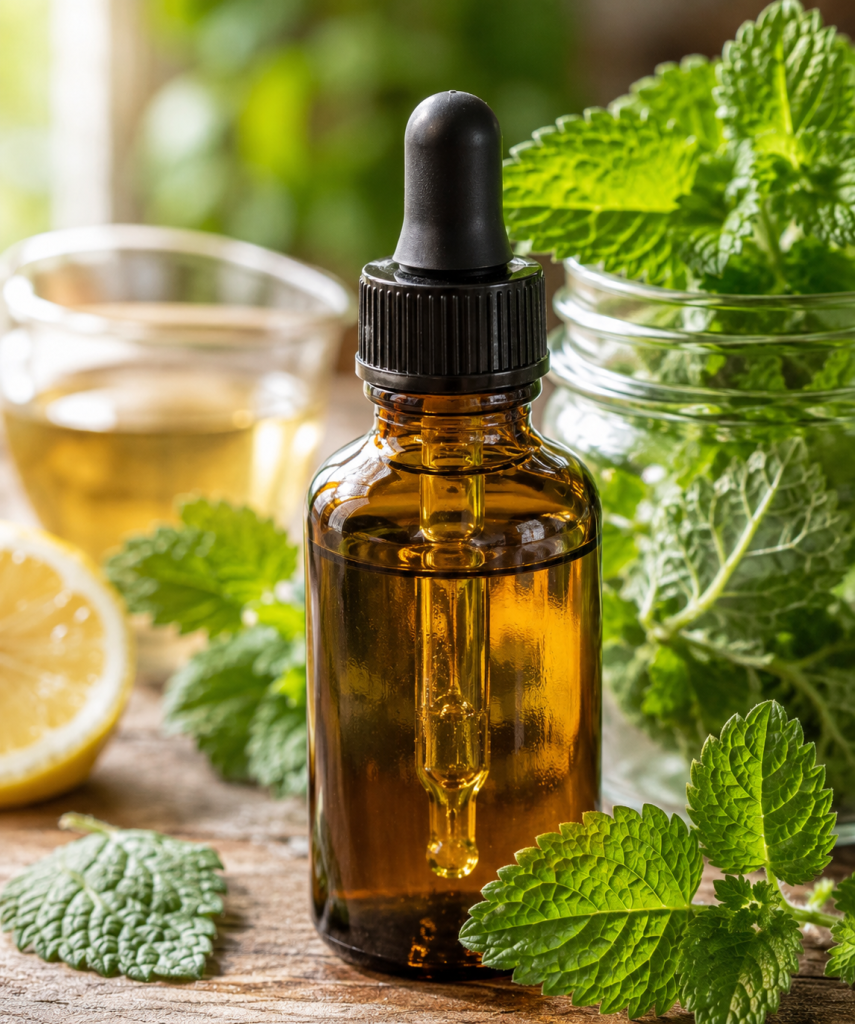
- A clean amber glass bottle for storage
- A small funnel
If using fresh herbs, choose clean, healthy leaves without mold, discoloration, pesticides, or signs of spoilage.
How to Make Lemon Balm Tincture
Step 1: Prepare the Lemon Balm
Gently rinse the fresh lemon balm leaves if necessary and allow excess moisture to evaporate.
Remove damaged or discolored leaves.
Chop the leaves into smaller pieces. This increases the surface area that comes into contact with the alcohol.
Step 2: Fill the Jar
Place the chopped lemon balm into a clean glass jar.
Do not pack the leaves excessively tightly. Leave enough room for the liquid to move around the plant material.
Step 3: Add the Alcohol
Pour food-grade alcohol over the lemon balm until the plant material is completely covered.
Make sure the leaves remain submerged.
Close the jar tightly.
Step 4: Let It Infuse
Store the jar in a cool, dark place.
Gently shake it every day or every few days to help keep the plant material evenly covered.
A traditional herbal infusion may be allowed to steep for several weeks.
If the plant material absorbs liquid and becomes exposed, add enough alcohol to keep everything submerged.
Step 5: Strain the Tincture
After the infusion period, strain the mixture through cheesecloth or a fine mesh strainer.
Press the plant material gently to extract the remaining liquid.
Discard the used herbs appropriately.
Step 6: Bottle and Label
Transfer the finished tincture into a clean amber glass bottle using a small funnel.
Label the bottle with:
- Lemon balm
- Date prepared
- Type of alcohol used
- Any other relevant preparation details
Store it in a cool, dark location and follow appropriate food-safety and storage practices.
Potential Benefits of Lemon Balm Tincture
Lemon balm has been studied for several areas of wellness, although the evidence varies and more research is needed.
1. Traditionally Used for Relaxation
Lemon balm has a long history of traditional use as a calming herb.
Some research has investigated lemon balm preparations in relation to feelings of stress and relaxation, but results can vary depending on the preparation, dose, and individual.
It should not be presented as a guaranteed treatment for anxiety or other mental health conditions.
2. May Support a Relaxing Evening Routine
Some people use lemon balm in evening herbal preparations because of its traditionally calming properties.
A warm herbal tea or another lemon balm preparation may become part of a relaxing bedtime routine.
However, lemon balm should not be considered a proven treatment for insomnia or other sleep disorders.
3. Contains Plant Compounds With Antioxidant Activity
Lemon balm contains several naturally occurring plant compounds, including rosmarinic acid and other polyphenols.
These compounds have been studied for antioxidant activity in laboratory and scientific research.
However, laboratory findings do not automatically mean that consuming a homemade tincture will produce a specific health outcome.
4. Traditionally Used for Digestive Comfort
Lemon balm has traditionally been used in herbal preparations for digestive comfort.
Some people enjoy it after meals as part of a soothing herbal routine.
Persistent abdominal pain, severe indigestion, ongoing diarrhea, vomiting, or other concerning digestive symptoms should not be self-treated with herbal preparations.
5. Provides a Convenient Herbal Preparation
One practical advantage of a tincture is convenience.
Because the preparation is concentrated, only a small amount may be used compared with a large cup of herbal tea. This makes tinctures popular among people who prefer compact herbal preparations.
How Long Does Lemon Balm Tincture Last?
Alcohol-based tinctures can have a relatively long shelf life when prepared correctly and stored in suitable containers.
Keep the bottle tightly closed and store it away from direct sunlight and excessive heat.
If you notice an unusual odor, visible contamination, unexpected changes in appearance, or other signs of spoilage, discard the preparation.
Important Safety Considerations
Natural does not automatically mean risk-free.
Before using lemon balm tincture, consider the following precautions.
Pregnancy and Breastfeeding
If you are pregnant or breastfeeding, speak with a qualified healthcare professional before using concentrated herbal preparations.
Medications
Herbs can potentially interact with medications.
If you regularly take prescription or over-the-counter medicines, ask a doctor or pharmacist whether lemon balm is appropriate for you.
Thyroid Conditions
People with thyroid disorders or those taking thyroid medication should speak with a healthcare professional before using concentrated lemon balm preparations regularly.
Alcohol Content
Because traditional tinctures are alcohol-based, they are not appropriate for everyone.
People who need to avoid alcohol should consider discussing alcohol-free herbal preparations with a healthcare professional or qualified herbal practitioner.
Allergies
Anyone with known allergies to lemon balm or related plants should avoid using it.
Stop using the preparation if you experience signs of an allergic reaction or significant irritation and seek appropriate medical advice.
Lemon Balm Tincture vs. Lemon Balm Tea
Both preparations can be part of an herbal wellness routine, but they are different.
Lemon balm tea is made by steeping the leaves in hot water. It is generally a milder preparation.
Lemon balm tincture uses alcohol to extract plant compounds and is more concentrated.
Neither should automatically be considered superior. The appropriate choice depends on personal preferences, preparation method, and individual circumstances.
How to Store Homemade Tincture
Use a clean, tightly sealed amber glass bottle.
Keep it:
- Away from direct sunlight
- In a cool location
- Tightly closed
- Clearly labeled
- Away from children and pets
Because homemade preparations can vary in strength and cleanliness, careful preparation and storage are important.
Frequently Asked Questions
What is lemon balm tincture used for?
Lemon balm tincture is traditionally used as an herbal wellness preparation, particularly in routines focused on relaxation and digestive comfort. Scientific evidence for specific health benefits remains limited or mixed.
Can lemon balm tincture help with sleep?
Lemon balm has traditionally been used as a calming herb, and some research has investigated its relationship with sleep and relaxation. However, it should not be considered a guaranteed treatment for insomnia.
Can I make lemon balm tincture with fresh leaves?
Yes. Fresh lemon balm leaves can be used to make a traditional alcohol-based tincture. The leaves should be clean and kept fully covered by the alcohol during the infusion period.
How long should lemon balm tincture steep?
Traditional homemade tinctures are often allowed to infuse for several weeks. The exact preparation can vary depending on the herb, alcohol strength, plant-to-liquid ratio, and desired concentration.
Does lemon balm tincture contain alcohol?
Traditional tinctures are commonly made with alcohol, which acts as the extraction medium and preservative. Alcohol-free alternatives may be available, but they require different preparation and storage methods.
Is lemon balm safe for everyone?
Not necessarily. Individual reactions, medications, pregnancy, breastfeeding, thyroid conditions, allergies, and alcohol restrictions can all affect whether a tincture is appropriate. When in doubt, speak with a healthcare professional.
Final Thoughts
Making lemon balm tincture is a traditional way to preserve this fragrant herb and create a concentrated herbal preparation.
Lemon balm has a long history of traditional use, particularly in relaxing and digestive wellness routines. Some scientific research is promising, but evidence for specific health effects is not strong enough to describe the tincture as a cure or guaranteed treatment.
If you decide to make your own tincture, focus on clean preparation, appropriate storage, accurate labeling, and responsible use. If you take medication, have an ongoing medical condition, are pregnant or breastfeeding, or are unsure whether herbal products are appropriate for you, consult a qualified healthcare professional first.
Herbal Wellness Disclaimer: This article is intended for general educational and informational purposes only. Lemon balm tincture is not intended to diagnose, treat, cure, or prevent any disease or medical condition. Herbal preparations can interact with medications and may not be appropriate for everyone. Consult a qualified healthcare professional before using concentrated herbal preparations, especially if you take medication, have a medical condition, are pregnant, or are breastfeeding.