5 Homemade Dandelion Salve Recipes for Naturally Moisturized Skin
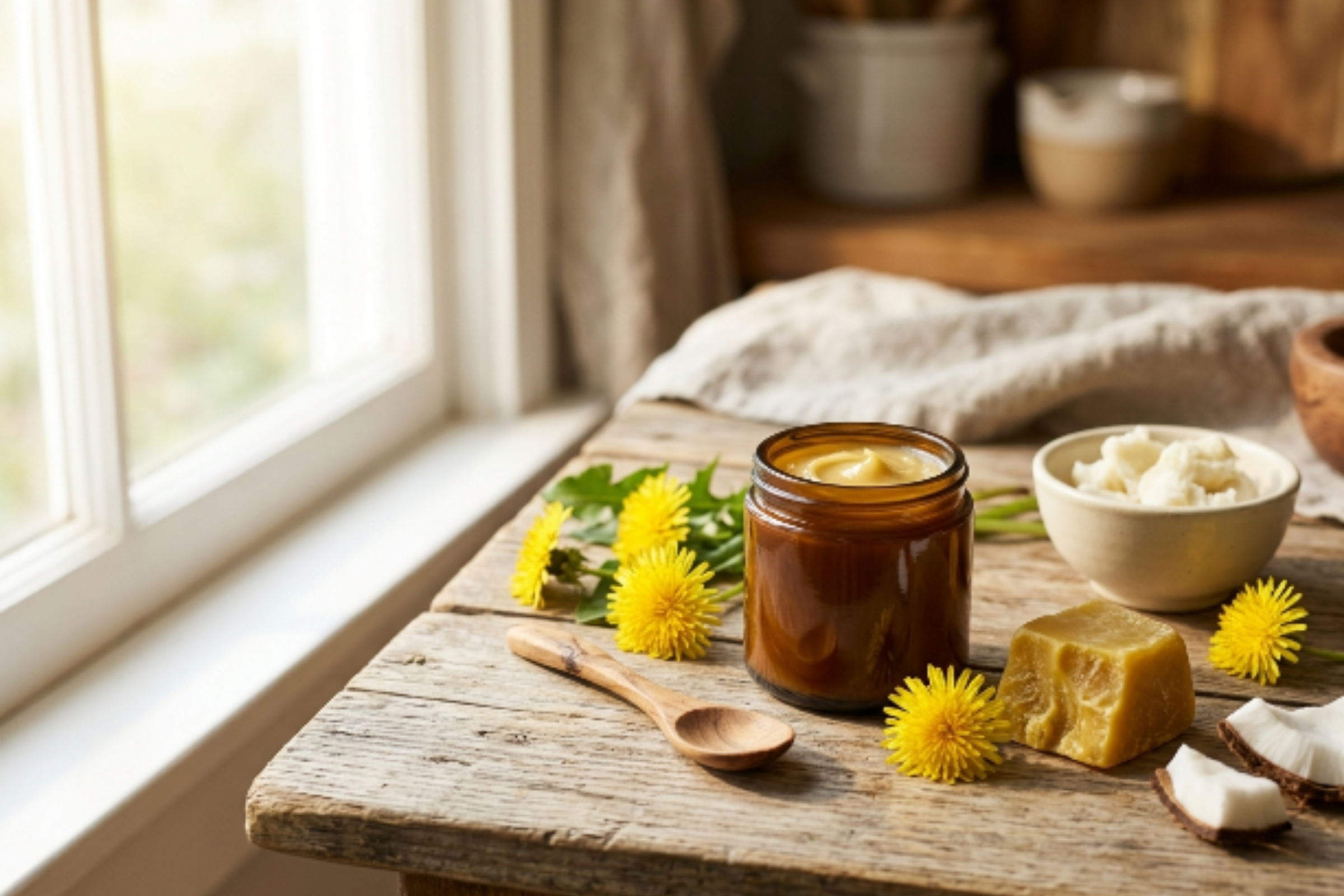
Dandelions are often treated as simple garden weeds, but these bright yellow flowers have a long history of traditional herbal use. Their cheerful appearance and easy availability have also made them popular among people who enjoy natural skincare and homemade botanical preparations.
If you enjoy creating your own skincare products, making a dandelion-infused salve can be a simple and enjoyable project. By combining dandelion-infused oils with ingredients such as beeswax, coconut oil, olive oil, or shea butter, you can create a rich balm designed to help moisturize dry areas of the skin.
This guide includes five variations, from a simple olive-oil salve to richer formulas made with coconut oil and shea butter.
Keep in mind that homemade herbal skincare is not a substitute for medical treatment. Dandelion salves may help moisturize and soften the skin, but they should not be described as treatments for eczema, burns, infections, wounds, or other skin conditions.
Key Takeaways
- Learn how to make five simple dandelion-infused salve variations.
- Discover how ingredients such as olive oil, coconut oil, beeswax, lavender, mint, and shea butter affect the texture and feel of a homemade salve.
- Understand how to prepare and store a homemade herbal balm safely.
- Learn why patch testing is important before using a new homemade skincare product.
- Create a simple, personalized addition to your natural skincare routine.
Before You Begin: Choosing Dandelions
If you’re gathering fresh dandelions, choose flowers from an area that has not been treated with pesticides, herbicides, or other chemicals.
Avoid collecting plants from roadsides, heavily trafficked areas, or places where pets frequently roam.
Choose healthy-looking flowers and remove dirt, insects, and damaged plant material before preparation.
For homemade skincare, cleanliness and proper storage are especially important because plant material can introduce moisture and microorganisms into an oil-based preparation.
1. Classic Dandelion Salve
This simple version is a good place to start if you’ve never made an herbal salve before.
Ingredients
- 1 cup dried dandelion flowers
- 1 cup olive oil
- 1/4 cup beeswax
Instructions
Begin by placing the dried dandelion flowers into a clean, dry glass jar.
Pour the olive oil over the flowers until they are completely covered.
Allow the mixture to infuse in a suitable location for approximately two weeks, checking regularly to make sure the plant material remains covered and that there are no signs of spoilage.
Strain the infused oil through a fine mesh strainer or cheesecloth.
Warm the infused oil gently and add the beeswax.
Stir until the beeswax has completely melted.
Pour the mixture into clean, dry containers and allow it to cool and solidify.
How to Use It
Apply a small amount to areas of dry skin such as the hands, elbows, knees, or feet.
Because this is a homemade product, perform a patch test first.
2. Soothing Lavender Dandelion Salve
Lavender adds a pleasant botanical aroma to this version while the oil and beeswax provide a rich, moisturizing texture.
Ingredients
- 1 cup dried dandelion flowers
- 1 cup olive oil
- 1/4 cup beeswax
- A small amount of lavender essential oil, used according to the manufacturer’s skin-safety recommendations
Instructions
Infuse the dried dandelion flowers in olive oil following the same method used for the classic salve.
After straining the oil, gently warm it with the beeswax until completely melted.
Remove the mixture from the heat and allow it to cool slightly.
Add the lavender essential oil according to the product’s recommended dilution for topical use.
Stir thoroughly and transfer the mixture to clean containers.
Allow it to cool completely before sealing.
Why You May Like It
The combination of olive oil, beeswax, and lavender creates a rich, aromatic balm that can be especially enjoyable as part of an evening skincare routine.
Avoid applying essential oils to irritated or damaged skin, and always perform a patch test before wider use.
3. Nourishing Coconut Oil Dandelion Salve
Coconut oil gives this salve a rich texture and makes it particularly appealing for people who prefer a simple, oil-based moisturizer.
Ingredients
- 1 cup dried dandelion flowers
- 1 cup coconut oil
- 1/4 cup beeswax
Instructions
Place the dried dandelion flowers into a clean glass jar.
Cover them with coconut oil and allow the mixture to infuse for approximately two weeks.
Strain the oil carefully to remove all plant material.
Gently warm the infused coconut oil and add the beeswax.
Stir until the beeswax melts completely.
Pour the finished mixture into clean containers and allow it to cool.
Best Uses
This rich salve can be useful for areas that frequently become dry, including:
- Hands
- Feet
- Elbows
- Knees
- Dry patches on the body
Because coconut oil can feel heavy on facial skin and may not suit everyone, this recipe may be more comfortable as a body moisturizer.
4. Herbal Mint Dandelion Salve
Mint gives this salve a fresh herbal character and a cooling sensation that many people enjoy.
Ingredients
- 1 cup dried dandelion flowers
- 1 cup dried mint leaves
- 1 cup olive oil
- 1/4 cup beeswax
Instructions
Combine the dried dandelion flowers and mint leaves in a clean glass jar.
Cover the herbs completely with olive oil.
Allow the mixture to infuse for approximately two weeks.
Strain the oil thoroughly, removing all plant material.
Warm the infused oil gently and add the beeswax.
Stir until fully melted.
Pour into clean containers and allow the salve to cool completely.
How to Use It
Apply a small amount to dry areas of intact skin.
The mint can provide a fresh sensory experience, while the oil and beeswax help create a protective, moisturizing layer.
Do not apply this salve to open wounds, broken skin, or areas that are severely irritated.
5. Rich Shea Butter Dandelion Salve
If you prefer a thicker, creamier texture, shea butter makes a wonderful addition to a homemade body salve.
Ingredients
- 1 cup dried dandelion flowers
- 1 cup shea butter
- 1/4 cup beeswax
Instructions
Place the dried dandelion flowers into a clean glass container.
Add the shea butter and allow the mixture to infuse gently using an appropriate low-heat method.
Avoid overheating the ingredients.
After the infusion period, strain the mixture carefully to remove the plant material.
Warm the infused shea butter gently and add the beeswax.
Stir until the mixture is smooth.
Transfer it into clean containers and allow it to cool completely.
Why You May Like It
Shea butter creates a rich, cushiony texture that works particularly well on dry areas of the body.
This version can be used as an occasional overnight body moisturizer for areas such as the hands, feet, elbows, and knees.
If you have eczema, psoriasis, persistent rashes, or another skin condition, do not rely on homemade salves as a replacement for appropriate medical care.
Dandelion Salve Recipe Comparison
| Salve | Main Ingredients | Texture | Best For |
|---|---|---|---|
| Classic Dandelion Salve | Dandelion, olive oil, beeswax | Medium | Everyday dry-skin care |
| Lavender Dandelion Salve | Dandelion, olive oil, beeswax, lavender | Medium | Aromatic evening routine |
| Coconut Oil Dandelion Salve | Dandelion, coconut oil, beeswax | Rich | Dry hands and body areas |
| Mint Dandelion Salve | Dandelion, mint, olive oil, beeswax | Medium | Fresh herbal skincare |
| Shea Butter Dandelion Salve | Dandelion, shea butter, beeswax | Rich and creamy | Very dry body areas |
How to Get Better Results From Homemade Salves
Use Dried Herbs When Possible
Fresh plant material contains water, which can increase the risk of spoilage in an oil-based preparation.
Using properly dried herbs can make the infusion easier to store and manage.
Keep Everything Clean and Dry
Make sure your jars, utensils, and storage containers are clean and completely dry before preparing your salve.
Even small amounts of water can affect the stability of an oil-based homemade product.
Keep Plant Material Fully Covered
During the infusion process, make sure the dried herbs remain covered by the oil.
If plant material is exposed above the oil, it can increase the chance of spoilage.
Store the Finished Salve Properly
Keep your salve in a clean, tightly closed container away from direct sunlight and excessive heat.
If the product develops an unusual smell, visible mold, unexpected color changes, or other signs of spoilage, discard it.
Always Patch Test First
Before applying a homemade salve to a larger area, test a small amount on a limited area of skin.
Wait and observe how your skin responds.
Stop using the product if you experience redness, itching, burning, swelling, or other irritation.
This is particularly important when using essential oils such as lavender or mint.
Important Safety Notes
Homemade skincare products are not automatically safe simply because they contain natural ingredients.
Avoid applying homemade salves to:
- Open wounds
- Deep cuts
- Severe burns
- Infected areas
- The eyes
- Mucous membranes
- Severely irritated skin
People with known plant allergies should be especially cautious.
If you develop a persistent rash, swelling, severe irritation, signs of infection, or another concerning skin change, stop using the product and seek appropriate medical advice.
Frequently Asked Questions
What is dandelion salve used for?
Dandelion salve is primarily used as a homemade botanical moisturizer. The oils and butters can help soften dry skin and create a protective layer over the skin.
Can dandelion salve treat eczema?
There is not enough evidence to describe homemade dandelion salve as a treatment for eczema. People with eczema should follow advice from a qualified healthcare professional and use products appropriate for their skin.
Can I use fresh dandelions?
Fresh dandelions can be used for some preparations, but their moisture content can make homemade oil infusions more prone to spoilage. Properly dried plant material is often easier to work with for a homemade salve.
How long does homemade dandelion salve last?
Shelf life can vary depending on the ingredients, preparation method, storage conditions, and amount of moisture introduced into the product.
Keep the salve in a clean, dry, tightly sealed container and discard it if you notice signs of spoilage.
Can I use dandelion salve on my face?
A homemade salve may feel too heavy for some facial skin types. If you want to try it, patch test first and use a very small amount. People with acne-prone or sensitive skin may prefer a lightweight, professionally formulated facial moisturizer.
Can I add essential oils?
Essential oils such as lavender or mint can add fragrance, but they are highly concentrated and should be properly diluted before topical use. Follow the manufacturer’s recommended dilution and safety instructions.
Final Thoughts
Making your own dandelion salve can be a fun way to explore homemade botanical skincare. With simple ingredients such as dried dandelion flowers, olive oil, coconut oil, beeswax, and shea butter, you can create several different textures and scents to suit your preferences.
The main skincare benefit of these recipes comes from the moisturizing and protective properties of the oils, butters, and beeswax. Dandelion has a long history of traditional use, yet there is limited evidence to support claims that a homemade dandelion salve can heal skin diseases or repair damaged skin.
For that reason, think of these recipes as a simple DIY moisturizing product, rather than a medical treatment.
Start with a small batch, keep your equipment clean and dry, patch test before use, and pay attention to how your skin responds.
Skincare Disclaimer: This article is for general educational purposes only. Homemade dandelion salves are not intended to diagnose, treat, cure, or prevent any disease or skin condition. Individual reactions to botanical ingredients can vary. If you have a persistent rash, severe irritation, a skin infection, an open wound, or another concerning skin problem, consult a qualified healthcare professional or dermatologist.