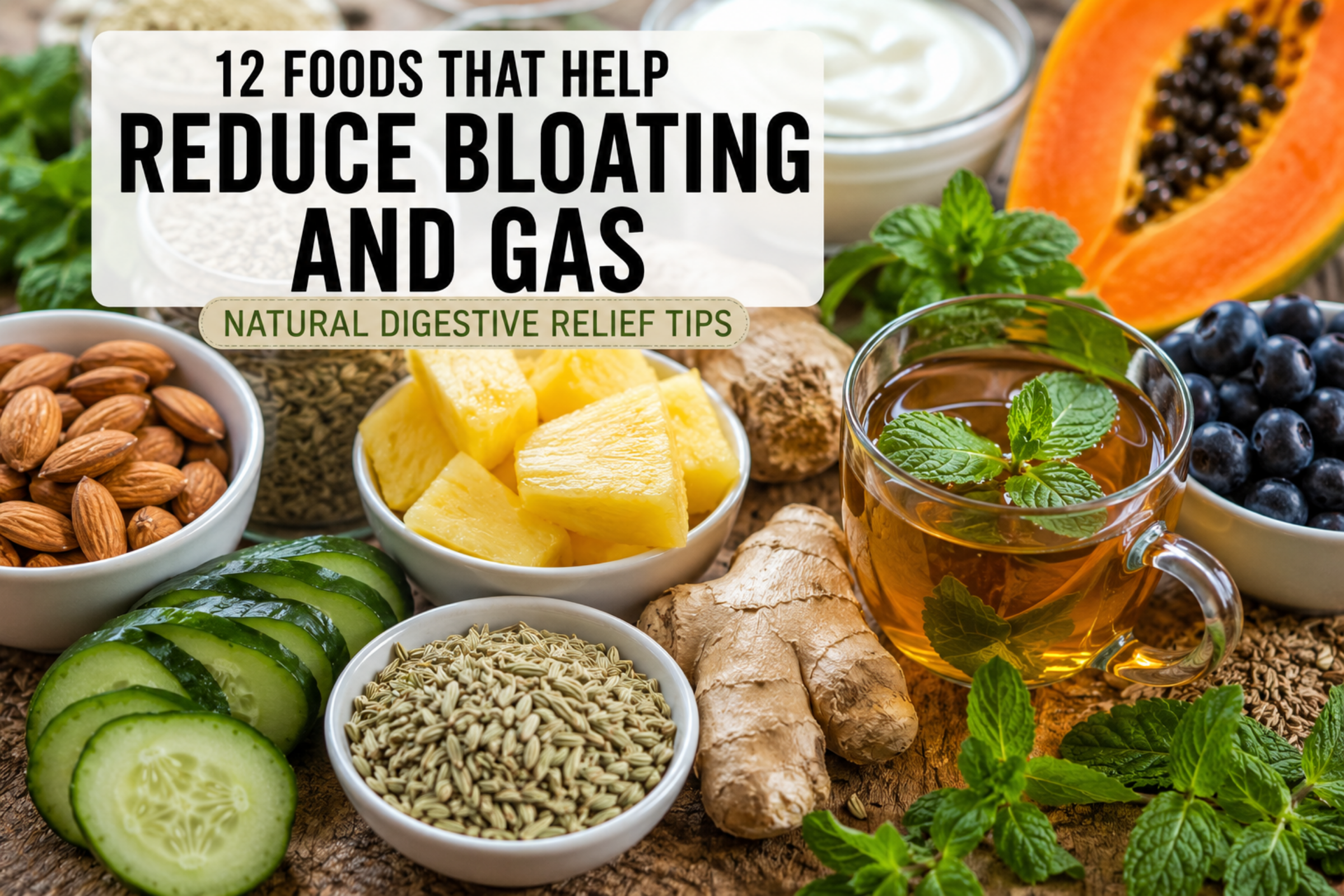
12 Foods That Help Reduce Bloating and Gas | Natural Digestive Relief Tips
Ever felt like your favorite meal magically transformed you into a human hot air balloon? You are certainly not alone! Many of us struggle with that uncomfortable post-meal puff, but thankfully, nature offers a delicious helping hand. Today, we’re diving headfirst into the wonderful world of12 Foods That Help Reduce Bloating and Gas | Natural Digestive Relief Tips, exploring how simple additions to your diet can bring blissful comfort and banish that bubbly feeling for good. Imagine a culinary quest where every bite leads you closer to a happy tummy, a world where your digestive system hums along like a well-tuned orchestra instead of a frantic jazz band. Get ready to discover your new edible allies in the battle against bloat, arming you with knowledge and a fantastic recipe to kick things off.
- This recipe offers incredibly easy preparation, perfect for busy weeknights, ensuring a delicious and gut-friendly meal without the fuss.
- Experience a vibrant flavor profile, blending the zing of ginger with the subtle sweetness of papaya for a truly refreshing culinary delight.
- The dish boasts a beautiful visual appeal with its colorful ingredients, making your mealtime both a treat for your taste buds and your eyes.
- Its versatile nature allows for easy adaptation, letting you swap in your favorite lean proteins or seasonal vegetables to suit any preference.
Ingredients for 12 Foods That Help Reduce Bloating and Gas | Natural Digestive Relief Tips
Here’s what you’ll need to make this delicious dish:
- Chicken BreastChoose boneless, skinless chicken breasts, about 1-inch thick, for a lean protein source that’s easy to digest.
- Fennel BulbSelect a crisp, firm fennel bulb with vibrant green fronds; it adds a subtle licorice-like flavor and potent digestive benefits.
- Fresh GingerA knob of fresh ginger, peeled and grated, provides a warm, spicy kick and is renowned for its anti-nausea and anti-bloating properties.
- Ripe PapayaLook for a papaya that gives slightly to pressure and has yellow-orange skin; its papain enzyme aids in protein digestion.
- CucumberA medium cucumber, peeled and diced, adds a refreshing crunch and is rich in water, helping to flush out excess sodium.
- SpinachFresh baby spinach wilts quickly and incorporates essential vitamins and fiber without adding bulk or digestive strain.
- Olive OilA good quality extra virgin olive oil for sautéing, offering healthy fats and a smooth base for your flavors.
- Lime JuiceFreshly squeezed lime juice brightens the dish with a zesty tang and helps to balance the flavors.
- CilantroFresh cilantro, chopped, provides a fragrant, herbaceous finish that complements the tropical notes of the papaya.
- Brown Rice or QuinoaCooked brown rice or quinoa serves as a complex carbohydrate base, offering sustained energy and aiding digestion.
The full ingredients list, including measurements, is provided in the recipe card directly below.
How to Make 12 Foods That Help Reduce Bloating and Gas | Natural Digestive Relief Tips
Follow these simple steps to prepare this delicious dish:
- Prepare Your Proteins and VeggiesPat the chicken breasts dry and cut them into 1-inch cubes. Slice the fennel bulb thinly, chop the cucumber, and grate the fresh ginger. Dice the ripe papaya into bite-sized pieces and set aside the baby spinach.
- Sauté the Aromatics and ChickenHeat olive oil in a large skillet or wok over medium-high heat. Add the grated ginger and sauté for about 30 seconds until fragrant. Add the chicken pieces and cook, stirring occasionally, until they are lightly browned and cooked through, about 5-7 minutes.
- Add the Fennel and CookToss the sliced fennel into the skillet with the chicken. Continue to cook for another 3-4 minutes, allowing the fennel to soften slightly and release its aromatic oils, which are excellent for soothing digestion.
- Incorporate Freshness and FinishStir in the baby spinach, allowing it to wilt for just 1-2 minutes. Remove the skillet from the heat, then gently fold in the diced papaya, chopped cucumber, and fresh lime juice. The heat from the pan will slightly warm the papaya and cucumber without overcooking them.
- Serve and GarnishServe the tropical ginger-fennel chicken mixture immediately over a bed of fluffy brown rice or quinoa. Sprinkle generously with fresh cilantro for an extra burst of flavor and a beautiful presentation.
Transfer to plates and drizzle with a touch more lime juice for the perfect finishing touch.
The Great Bloat Battle: Unveiling Your Digestive Allies
We’ve all been there: that moment you realize your jeans suddenly feel like they’ve shrunk two sizes since breakfast. Bloating and gas are often the result of complex digestive processes, from air swallowing to bacterial imbalances. But don’t despair! Your kitchen holds a veritable arsenal of delicious, tummy-taming ingredients. Let’s explore some powerful champions that make up our list of12 Foods That Help Reduce Bloating and Gas | Natural Digestive Relief Tips. Incorporating these into your daily diet can make a significant difference in how you feel, turning discomfort into digestive harmony.
Fennel: The Anise-Scented Soother
Remember that mysterious, slightly licorice-flavored vegetable from our recipe? That’s fennel, your new best friend for belly comfort. Both the bulb and the seeds contain compounds like anethole, which relax muscles in the digestive tract, easing gas and bloating. Think of it as a natural deflator for your internal balloon. You can chew on a few fennel seeds after a meal, slice the bulb into salads, or roast it for a sweet, savory side dish. It’s like a tiny, edible spa treatment for your insides.
Ginger: The Zesty Stomach Calmer
Ah, ginger! This fiery root is a superstar in the world of digestion. It contains gingerols and shogaols, compounds known for their anti-inflammatory and antispasmodic properties. Ginger helps speed up gastric emptying, meaning food moves through your stomach faster, preventing that heavy, stagnant feeling. Fresh ginger tea, a slice of ginger in hot water, or incorporating it into stir-fries and soups can work wonders. It’s like a warm, comforting hug for your belly, gently nudging things along.
Peppermint: The Refreshing Relaxer
Beyond its invigorating scent and taste, peppermint is a fantastic natural remedy for digestive woes. The menthol in peppermint oil helps relax the smooth muscles of the gastrointestinal tract, alleviating spasms that can cause gas and bloating. A cup of peppermint tea after a meal is a classic go-to, providing quick relief and a refreshing end to your dining experience. Just be mindful if you suffer from severe heartburn, as peppermint can sometimes relax the esophageal sphincter, exacerbating acid reflux for some individuals.
Papaya: The Tropical Digestive Aid
As featured in our delightful recipe, papaya is a tropical treasure packed with an enzyme called papain. This incredible enzyme assists in breaking down proteins, making digestion easier and reducing the likelihood of undigested food fermenting and causing gas. For maximum benefit, enjoy ripe papaya as a snack, add it to smoothies, or include it in savory dishes like our anti-bloating bowl. It’s like sending in a tiny clean-up crew to tidy up your digestive system.
Pineapple: More Than Just a Sweet Treat
Similar to papaya, pineapple contains bromelain, a potent enzyme complex that aids in protein digestion. This makes pineapple particularly helpful for reducing bloating, especially after meals rich in protein. Enjoying fresh pineapple chunks or adding it to your morning smoothie can support your digestive system. Just remember that the canning process can sometimes reduce enzyme activity, so opt for fresh whenever possible. It’s a sweet way to say goodbye to discomfort.
Cucumber: The Hydrating Hero
Sometimes bloating is simply a result of dehydration or too much sodium. Cucumbers, with their incredibly high water content, are fantastic for combating water retention and promoting hydration. They also contain compounds that can help reduce inflammation. Sliced cucumbers in water, salads, or as a refreshing snack can help flush your system and keep things moving smoothly. Think of them as tiny, refreshing sponges for your internal cleansing.
Asparagus: The Prebiotic Powerhouse
Asparagus isn’t just elegant on a plate; it’s a powerhouse for gut health. It contains inulin, a prebiotic fiber that feeds beneficial gut bacteria. A healthy gut microbiome is crucial for proper digestion and reducing gas and bloating. Steamed, roasted, or grilled asparagus can be a delicious addition to almost any meal. Just a note: it can make your urine smell a bit unique, but that’s a small price to pay for a happy tummy!
Banana: The Potassium-Packed Pal
Bloating can sometimes stem from an imbalance of electrolytes, particularly sodium and potassium. Bananas are rich in potassium, which helps regulate fluid balance and can counteract the effects of sodium, reducing water retention and bloating. They also provide easily digestible fiber. Enjoy a banana as a quick snack, blend it into a smoothie, or slice it over your morning oats for a delicious, tummy-friendly boost.
Oats: The Gentle Fiber Friend
Oats are a fantastic source of soluble fiber, which forms a gel-like substance in your digestive tract. This helps to soften stool and promote regular bowel movements, preventing constipation that often leads to bloating. Opt for rolled oats or steel-cut oats for maximum benefit. Start your day with a comforting bowl of oatmeal, perhaps topped with some banana and a sprinkle of ginger. It’s a gentle sweep for your insides.
Fermented Foods (Kimchi/Sauerkraut): The Probiotic Punch
Kimchi and sauerkraut, vibrant fermented vegetables, are teeming with beneficial probiotics. These live microorganisms help balance your gut flora, which is essential for efficient digestion and reducing gas production. A healthy gut microbiome can significantly reduce bloating by improving the breakdown of food. Add a spoonful to your meals, but start small if you’re new to fermented foods, as some people can initially experience a little extra gas as their gut adjusts.
Water & Herbal Teas: The Ultimate Hydrators
While not technically “food,” staying adequately hydrated is paramount for preventing and relieving bloating. Water helps move food through the digestive system and keeps stools soft. Dehydration can actually cause your body to retain water, leading to bloating. Herbal teas like ginger, peppermint, or chamomile not only contribute to hydration but also offer their own specific digestive benefits. Sip throughout the day for a consistently happy gut.
Avocado: The Healthy Fat & Potassium Provider
Avocado is a superstar, offering healthy monounsaturated fats and a generous dose of potassium. As mentioned with bananas, potassium is vital for maintaining fluid balance and preventing sodium-induced bloating. The fiber in avocados also aids digestion. Enjoy a slice with your eggs, smash it into a delicious guacamole, or add it to a salad for a creamy, gut-friendly boost.
Beyond the Plate: Holistic Natural Digestive Relief Tips
While these12 Foods That Help Reduce Bloating and Gas | Natural Digestive Relief Tipsare fantastic tools, remember that overall lifestyle plays a huge role in digestive comfort. Eating slowly and mindfully, avoiding fizzy drinks, and managing stress can all contribute to a calmer digestive system. Listen to your body, experiment with these amazing ingredients, and enjoy the journey to a bloat-free, happier you! It’s all about finding what makes your tummy sing, not grumble.
What is the primary cause of bloating and gas?
Bloating and gas are often caused by the accumulation of gas in the digestive tract, which can result from factors like swallowing air, eating too quickly, consuming certain gas-producing foods, or an imbalance in gut bacteria.
How quickly can these foods provide relief?
The speed of relief can vary depending on the individual and the cause of the bloating. Some foods, like peppermint tea or ginger, can offer relatively quick symptomatic relief, while others, like fiber-rich foods, contribute to long-term digestive health.
Can I eat all 12 foods at once for maximum effect?
While all 12 foods are beneficial, it’s best to incorporate them gradually into your diet rather than consuming them all at once. Listen to your body and introduce them systematically to see what works best for your digestive system.
Are there any side effects to consuming these foods?
For most people, these foods are safe and beneficial. However, some individuals might experience sensitivities. For example, excessive ginger can sometimes cause heartburn, and some people might react to the fiber content of certain foods. Always consult a healthcare professional if you have concerns.
Besides food, what other natural methods help reduce bloating?
In addition to dietary changes, methods such as staying hydrated, regular exercise, practicing mindful eating, reducing stress, and avoiding carbonated beverages can significantly help in reducing bloating and gas.
Perfecting the Cooking Process
For our “Sunshine Citrus Chicken & Fennel Delight,” begin by searing the marinated chicken breasts until golden brown. While the chicken finishes cooking, sauté the fennel and asparagus until tender-crisp. Lastly, whisk together the vibrant citrus-ginger dressing. This sequence ensures all components are fresh, perfectly cooked, and ready to assemble for maximum flavor and digestive comfort.
Add Your Touch
Feel free to customize this delightful dish! Swap chicken for lean turkey breast or firm white fish if you prefer. Experiment with different bloat-reducing herbs like fresh dill or parsley in your dressing. A sprinkle of toasted pumpkin seeds adds a lovely crunch and healthy fats. You can also roast the vegetables instead of sautéing for a different texture.
Storing & Reheating
Store leftover “Sunshine Citrus Chicken & Fennel Delight” in an airtight container in the refrigerator for up to three days. Keep the dressing separate if possible to maintain crispness. To reheat, gently warm the chicken and vegetables in a pan over medium heat or in the microwave until heated through, then drizzle with fresh dressing.
- Prep Like a Pro:Slice your fennel and chicken uniformly to ensure even cooking. This little trick prevents some pieces from being undercooked while others are overdone, ensuring a harmonious dish.
- Don’t Skimp on the Zest:Lemon zest, not just juice, adds an incredible aromatic punch. Use a microplane to get fine zest, avoiding the bitter white pith for the brightest, freshest flavor.
- Dress with Care:Always add your dressing just before serving. This prevents the vegetables from becoming soggy and ensures that vibrant, fresh flavor profile shines through in every single bite.
My Aunt Carol once told me this recipe made her feel “like a human again” after a particularly indulgent weekend. It’s truly a secret weapon for feeling light and bright, without sacrificing a single ounce of deliciousness.
Ah, the dreaded bloat! We’ve all been there, haven’t we? That uncomfortable, distended feeling after a meal, making your favorite jeans suddenly feel like a medieval torture device. It’s like your belly has decided to inflate itself for a party it wasn’t invited to. Gas, the unwelcome guest, often accompanies this sensation, leading to moments of awkward silence or, let’s be honest, not-so-silent protests from your digestive system. But what if I told you that the secret to a happy, calm tummy isn’t some magic potion, but rather a delicious array of everyday foods?
Why Bloating Happens and How to Find Natural Digestive Relief
Bloating and gas are incredibly common, often stemming from things like overeating, eating too quickly, consuming gas-producing foods, or even stress. Our digestive systems are complex marvels, and sometimes they just need a little gentle persuasion to work optimally. While some factors are unavoidable, a significant portion of digestive discomfort can be managed by making smarter food choices. The good news? Nature has provided us with an arsenal of tasty ingredients that act as natural digestive relief agents, helping to soothe and de-puff our bellies without resorting to complicated remedies.
Before we dive into our list, remember this isn’t about deprivation; it’s about empowerment. It’s about knowing which foods are your allies in the battle against the bloat, making your gut feel like it’s on a luxurious spa vacation. So, buckle up, buttercup, because we’re about to unveil some delicious secrets that will make your tummy sing with joy!
The Magnificent Dozen: 12 Foods That Help Reduce Bloating and Gas
Let’s talk about the superstars of the culinary world that double as your personal bloat-busting squad. These foods are not only incredibly versatile and tasty but also packed with properties that offer natural digestive relief and help keep that gassy feeling at bay. Incorporating these into your daily diet can make a significant difference in how you feel, both inside and out.
Ginger: The Soothing Root
This spicy root is a legendary digestive aid. Ginger contains compounds called gingerols and shogaols, which help relax the muscles of the digestive tract, easing discomfort and speeding up the emptying of the stomach. Think of it as a gentle nudge to keep things moving. A warm cup of ginger tea or adding fresh ginger to your stir-fries can work wonders.
Fennel: Anise-Scented Marvel
Fennel, with its distinctive licorice-like flavor, is another ancient remedy for digestive woes. It contains compounds that relax gastrointestinal spasms, which can alleviate gas and bloating. You can chew on a few fennel seeds after a meal or incorporate fresh fennel bulb into salads or roasted vegetable dishes, just like in our “Sunshine Citrus Chicken & Fennel Delight.”
Peppermint: Cool Comfort
Often found in after-dinner mints, peppermint isn’t just for fresh breath. The menthol in peppermint oil helps relax the muscles of the digestive system, which can reduce spasms and gas. A cup of peppermint tea after a meal is a delightful and effective way to find relief from bloating and gas.
Pineapple: Tropical Enzyme Powerhouse
This juicy tropical fruit is more than just a sweet treat. Pineapple contains bromelain, a group of enzymes that helps break down proteins and may aid digestion. This can prevent that heavy, bloated feeling, especially after a protein-rich meal. Add fresh pineapple to smoothies, salads, or even alongside your chicken dishes.
Papaya: Another Enzyme Superstar
Similar to pineapple, papaya boasts a powerful digestive enzyme called papain. Papain assists in breaking down tough protein fibers, making digestion smoother and potentially reducing bloating. Ripe papaya is delicious on its own, in fruit salads, or blended into a vibrant smoothie for natural digestive relief.
Cucumber: Hydration Hero
Cucumbers are practically made of water, and proper hydration is crucial for preventing constipation, a common cause of bloating. They also contain quercetin, an antioxidant that helps reduce swelling. Slice them into your water, munch on them as a snack, or add them to salads for a refreshing, bloat-friendly crunch.
Bananas: Potassium Power
Rich in potassium, bananas help regulate fluid balance in your body, which can counteract sodium-induced bloating. They also provide soluble fiber, which can help prevent constipation. Enjoy them as a snack, add them to your oatmeal, or blend into a smoothie for a quick and easy digestive boost.
Asparagus: A Prebiotic Pal
This elegant green vegetable is a natural diuretic, meaning it helps flush excess water and sodium from your body, reducing water retention and bloating. Asparagus also contains prebiotics, which feed the good bacteria in your gut, promoting a healthier digestive environment.
Lemon Water: Simple Detoxifier
Starting your day with a glass of warm lemon water can do wonders for your digestion. Lemon stimulates the production of bile, which helps break down fats and aids in elimination. It’s a simple yet powerful way to gently cleanse your system and reduce bloating and gas.
Oats: Soluble Fiber Friend
A hearty bowl of oats (the plain, unsweetened kind!) is an excellent source of soluble fiber. This type of fiber helps regulate bowel movements, preventing constipation, which is a major contributor to bloating. Just make sure to introduce fiber gradually to avoid a sudden increase in gas.
Kimchi & Sauerkraut: Probiotic Powerhouses
Fermented foods like kimchi and sauerkraut are packed with beneficial probiotics. These good bacteria help maintain a healthy balance in your gut microbiome, which is essential for efficient digestion and reducing gas and bloating. Start with small portions and gradually increase your intake.
Turmeric: The Golden Anti-Inflammatory
Turmeric, often called “golden spice,” contains curcumin, a powerful anti-inflammatory compound. While not directly reducing gas, it can help calm digestive inflammation that often accompanies discomfort and bloating. Add it to curries, soups, or even a golden milk latte for its soothing benefits.
Armed with this knowledge, you can begin to make delicious choices that make your tummy feel fantastic. It’s all about creating a harmonious environment within your gut, one delightful bite at a time.
Beyond the Plate: General Natural Digestive Relief Tips
While the right foods are paramount, how you eat them also plays a huge role in achieving natural digestive relief and keeping bloating and gas at bay. Think of these as the supporting cast to your bloat-busting food heroes. Implementing these simple habits can significantly improve your digestive comfort and overall well-being. Sometimes, the simplest adjustments yield the biggest results, turning your mealtime from a potential discomfort zone into a blissful experience.
Chew Your Way to Comfort
Seriously, slow down! When you rush through your meals, you swallow more air, which, surprise, leads to more gas. Plus, proper chewing breaks down food more thoroughly, making it easier for your stomach and intestines to do their job. Aim for about 20-30 chews per bite. It feels weird at first, but your gut will thank you.
Hydration is Key for Reducing Bloating
Dehydration can lead to constipation, which in turn causes bloating. Drinking enough water throughout the day helps keep your digestive system running smoothly, flushes out excess sodium, and generally helps things move along. Think of water as the ultimate lubricant for your internal machinery. Aim for at least 8 glasses a day.
Mindful Eating Practices
Eating when stressed or distracted can wreak havoc on your digestion. Take a moment before eating to relax, maybe take a few deep breaths. Pay attention to your food – its taste, texture, and smell. This mindful approach signals your body to prepare for digestion, reducing the likelihood of bloating and gas. Put down your phone!
Move Your Body for Gut Health
Regular physical activity isn’t just good for your muscles; it’s fantastic for your gut, too! Exercise helps stimulate the muscles of your digestive tract, keeping food moving through your system. Even a brisk walk after a meal can significantly aid in natural digestive relief and prevent that heavy, sluggish feeling.
Your Delicious Recipe for Digestive Bliss: Sunshine Citrus Chicken & Fennel Delight
Ready to put some of these bloat-fighting superstars into action? This recipe is light, flavorful, and designed to make your digestive system sing. It’s proof that eating for comfort doesn’t mean sacrificing taste. This dish embodies natural digestive relief, combining lean protein with vibrant, gut-friendly vegetables and a zesty, soothing dressing. It’s a meal that truly makes you feel good from the inside out.
Ingredients
- 2 boneless, skinless chicken breasts (about 1.5 lbs total)
- 1 large fennel bulb, thinly sliced (fronds reserved for garnish)
- 1 bunch asparagus, trimmed and cut into 1-inch pieces
- 1 cucumber, deseeded and diced
- ½ cup fresh pineapple chunks (about ¼ of a small pineapple)
- 2 tablespoons olive oil, divided
- Salt and freshly ground black pepper to taste
- For the Citrus-Ginger Dressing:
- ¼ cup fresh lemon juice (from 1-2 lemons)
- 1 tablespoon apple cider vinegar
- 1 tablespoon finely grated fresh ginger
- 1 teaspoon lemon zest
- 1 teaspoon pure maple syrup (optional, for a touch of sweetness)
- 2 tablespoons extra virgin olive oil
- Pinch of red pepper flakes (optional, for a little kick)
- Salt and pepper to taste
Instructions
- Prepare the Chicken:Pat chicken breasts dry. Season generously with salt and pepper. In a large skillet, heat 1 tablespoon of olive oil over medium-high heat. Sear chicken for 5-7 minutes per side, or until internal temperature reaches 165°F (74°C). Remove chicken from skillet, let rest for 5 minutes, then slice against the grain.
- Sauté the Vegetables:In the same skillet, add the remaining 1 tablespoon of olive oil. Add sliced fennel and asparagus. Sauté for 5-7 minutes, stirring occasionally, until vegetables are tender-crisp. Season lightly with salt and pepper.
- Make the Dressing:While vegetables cook, whisk together all dressing ingredients in a small bowl: lemon juice, apple cider vinegar, grated ginger, lemon zest, maple syrup (if using), extra virgin olive oil, red pepper flakes (if using), and a pinch of salt and pepper. Taste and adjust seasonings as needed.
- Assemble the Bowls:Divide the sautéed fennel and asparagus between serving bowls. Top with sliced chicken, diced cucumber, and fresh pineapple chunks.
- Serve:Drizzle generously with the citrus-ginger dressing. Garnish with reserved fennel fronds. Serve immediately and enjoy your journey to natural digestive relief!
Frequently Asked Questions About Reducing Bloating and Gas
What is the fastest way to get rid of bloating?
For quick natural digestive relief, try sipping on ginger or peppermint tea. Light exercise like a short walk can also help move gas through your system. Avoiding carbonated drinks and chewing slowly can prevent immediate bloating from worsening.
Can certain cooking methods influence gas and bloating?
Absolutely! Steaming, baking, or sautéing vegetables often makes them easier to digest than raw or deep-fried options. Overcooking can also strip nutrients, while undercooking can make some foods harder for your gut to break down. Gentle cooking methods support natural digestive relief.
Are there any particular foods to avoid if I struggle with gas?
Common culprits include carbonated beverages, artificial sweeteners, certain cruciferous vegetables (like broccoli and cabbage, though cooking them well can help!), and sometimes legumes if not prepared properly. Pay attention to what triggers your personal symptoms for better natural digestive relief.
How long does it typically take for natural remedies to work?
The speed varies. Acute bloating from a meal might ease within an hour with ginger tea or a walk. For chronic bloating, consistently incorporating bloat-reducing foods and practices might show significant improvement over a few days to a few weeks, leading to sustained natural digestive relief.
Embrace a Bloat-Free Future!
Who knew achieving natural digestive relief could be so delicious and, dare I say, fun? From the zesty kick of ginger to the soothing embrace of peppermint, Mother Nature has truly blessed us with a pantry full of bloat-busting heroes. Ditching that uncomfortable, gassy feeling doesn’t require drastic measures or tasteless diets; it just needs a little knowledge and a whole lot of delicious ingredients.
So, go forth and conquer that bloat! Experiment with these 12 foods that help reduce bloating and gas, whip up our “Sunshine Citrus Chicken & Fennel Delight,” and remember those simple tips for mindful eating and hydration. Your happy, comfortable tummy will thank you, and those jeans? They’ll finally feel like old friends again. Here’s to feeling light, bright, and utterly fantastic!
Conclusion for 12 Foods That Help Reduce Bloating and Gas | Natural Digestive Relief Tips
Navigating the often-gassy world of digestion doesn’t have to be a puffy ordeal. By thoughtfully integrating the 12 foods that help reduce bloating and gas into your daily routine, you empower your digestive system to work more smoothly. These natural digestive relief tips aren’t just about avoiding discomfort; they’re about embracing a vibrant, energetic lifestyle where your gut feels as happy as your taste buds. Remember, consistency is key, and listening to your body’s unique signals will guide you best. Here’s to a happier, flatter tummy and enjoying your meals without the post-feast balloon effect!
[tasty-recipe id=”1167″]
FAQs
How quickly can one expect to see results from integrating the 12 Foods That Help Reduce Bloating and Gas into their diet?
Ah, the age-old question of instant gratification! While we all wish for a magic wand, digestive relief often takes a little time and consistency. Many people report feeling a noticeable difference in their digestive comfort within a few days to a week of regularly incorporating these helpful foods. However, individual results can vary based on your current diet, the severity of your symptoms, and how your unique gut flora responds. Think of it as gently coaxing your tummy into a happier state rather than flipping a switch. Persistence truly pays off when it comes to natural digestive relief tips.
What are some common eating habits that can sabotage the benefits of even the most effective foods for reducing bloating and gas?
Even with the mightiest of the 12 foods that help reduce bloating and gas on your plate, certain eating habits can still throw a wrench in your digestive peace. Eating too quickly, for instance, often leads to swallowing excess air, a prime culprit for gas and bloating. Talking excessively while chewing, chugging beverages during meals, or consuming large portions in one sitting can also overwhelm your digestive system. It’s not just about *what* you eat, but *how* you eat it. Mindful eating, chewing thoroughly, and smaller, more frequent meals are crucial natural digestive relief tips to complement your food choices.
Can these natural digestive relief tips, including the 12 foods, completely eliminate bloating and gas for everyone?
While the 12 foods that help reduce bloating and gas offer powerful support for digestive comfort, promising a complete elimination of all bloating and gas for every single person might be a tad optimistic. Bloating and gas can stem from a variety of factors, including stress, underlying health conditions, food sensitivities, or even just a particularly enthusiastic laugh after a meal! These foods are fantastic allies, but they work best as part of a holistic approach that includes stress management, adequate hydration, and a healthy lifestyle. They are certainly a significant step towards a happier, less gassy gut, but always listen to your body.
Are there any particular foods among the 12 foods that help reduce bloating and gas that beginners should prioritize first?
Starting your journey to a bloat-free existence can feel like navigating a delicious jungle, so it’s wise to pick your first culinary companions carefully. For beginners seeking natural digestive relief tips, focus on easily digestible options known for their gentle effectiveness. Peppermint tea, ginger, and certain fruits like berries or papayas are often excellent starting points. These tend to be well-tolerated and can offer quick soothing effects. Observe how your body responds to each new addition, and gradually expand your repertoire. Remember, your gut is a unique ecosystem, so what works wonders for one might be a gentle nudge for another.